
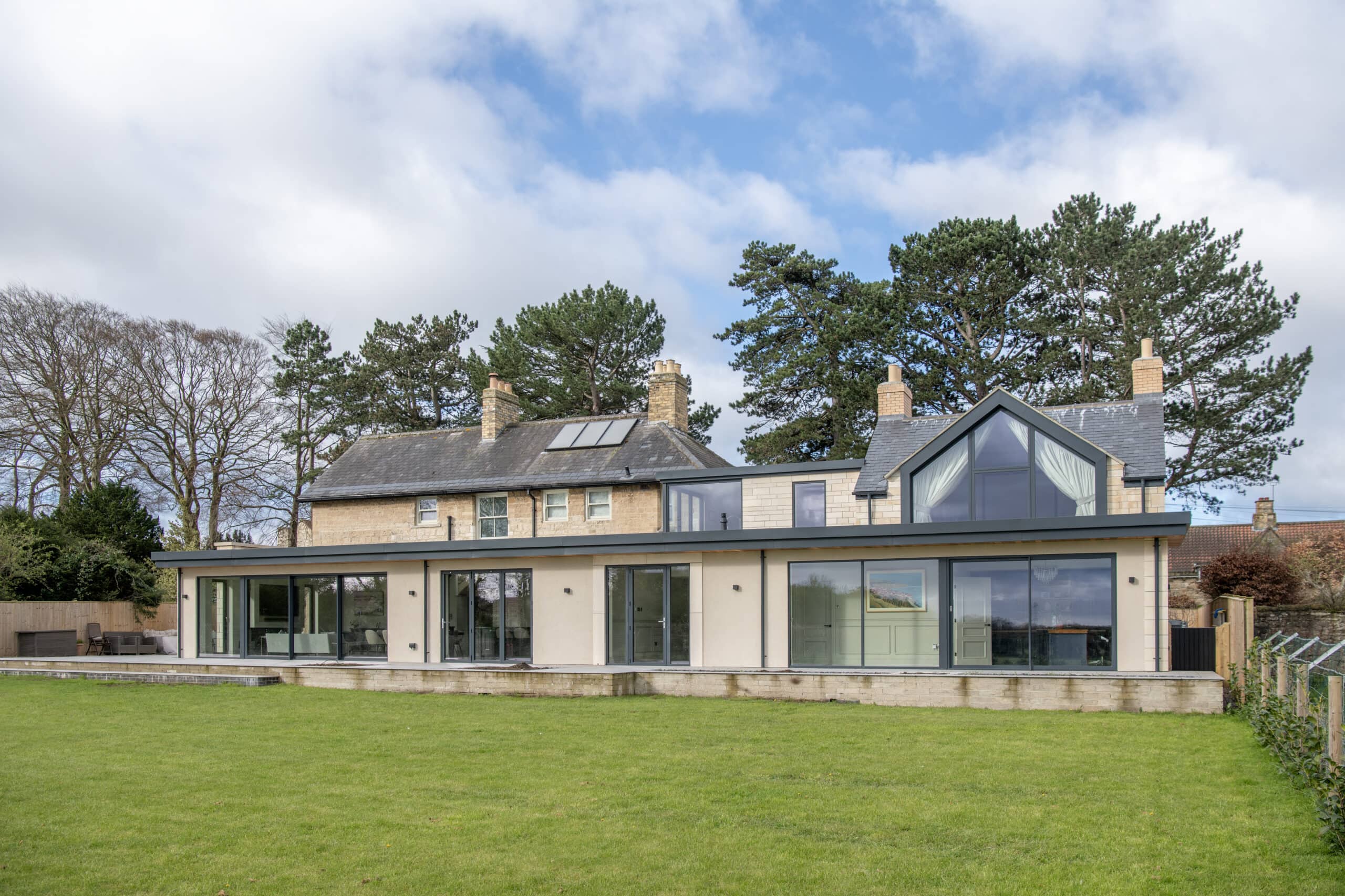
When considering a house extension, choosing the right roof is crucial not only for aesthetic appeal but also for functionality and budget management. The roof plays a significant role in protecting the new space from weather elements, enhancing energy efficiency, and complementing the existing structure’s style. Selecting the best roof depends largely on your financial plan as well as the architectural style you wish to achieve.
For those working with a limited budget, asphalt shingles are often the most cost-effective roofing material. They are widely available, easy to install, and come in various colors and textures that can mimic more expensive materials like slate or wood shakes. Asphalt shingles typically last around 20-30 years and provide good protection against rain and wind. Their lightweight nature means they don’t require additional structural support, which helps keep installation costs down.
If you have a moderate budget and want something more durable with better insulation properties, metal roofing is an excellent choice. Metal roofs come in steel, aluminum, copper, or zinc panels or tiles that offer longevity of up to 50 years or more when properly maintained. Beyond durability, metal roofs reflect solar heat effectively which can reduce cooling costs during summer months. They suit modern home extensions particularly well due to their sleek appearance but can also be adapted for traditional styles depending on color and finish.
For homeowners aiming at high-end aesthetics combined with long-term investment value, natural slate or clay tiles stand out as premium options. Slate offers timeless elegance with its unique texture and color variations while providing exceptional durability-often lasting over 100 years without needing replacement. Clay tiles bring warmth through earthy tones ideal for Mediterranean or Spanish-style homes; they are fire-resistant and highly durable though heavier than other materials requiring reinforced framing.
Flat roofs have gained popularity in contemporary extensions where minimalist design is desired alongside functional outdoor spaces such as green roofs or terraces. Materials used here include EPDM rubber membrane or thermoplastic polyolefin (TPO), both known for waterproofing capabilities and ease of maintenance. Flat roofs generally require regular inspections to avoid water pooling issues but enable creative use of space above.
Ultimately, selecting the best roof for house extension depends on balancing your budget constraints with desired visual impact while ensuring compatibility with existing structures’ pitch and load-bearing capacity. Consulting experienced architects or roofing contractors early in planning will help identify suitable materials tailored to your home’s style-whether classic pitched designs using traditional shingles or innovative flat rooftops embracing modern trends-ensuring your house extension remains both beautiful and practical for years to come.
About the Author