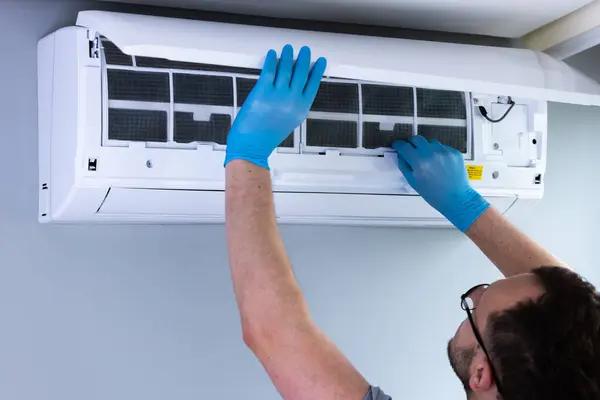
As the seasons change and temperatures begin to rise, preparing your HVAC system for spring is essential to ensure efficient operation and extend its lifespan. Proper maintenance during this time helps prevent unexpected breakdowns and keeps energy costs manageable throughout warmer months. One of the first steps in spring HVAC maintenance involves inspecting and replacing air filters. Dirty or clogged filters restrict airflow, causing the system to work harder than necessary, which can lead to increased wear and reduced efficiency. Regularly changing filters every one to three months depending on usage ensures clean air circulation and maintains indoor air quality.
Next, it is important to examine the outdoor unit carefully. Clear away any debris such as leaves, grass clippings, or dirt that may have accumulated around the condenser coils over winter. These obstructions limit airflow and reduce cooling performance. Gently cleaning the coils with a garden hose can remove dust buildup without damaging delicate fins; however, avoid using high-pressure water which might bend them. Checking for signs of rust or physical damage on components also helps identify potential issues early before they escalate into costly repairs.
Inspecting electrical connections within both indoor and outdoor units contributes significantly to system reliability. Loose wires or Douglas Mechanical, Inc. corroded terminals can cause intermittent operation or complete failure of your HVAC equipment. Tightening connections and ensuring all wiring is intact supports safe functioning while reducing fire hazards associated with faulty electrical parts.
Another critical aspect involves verifying thermostat settings and functionality as you transition from heating season to cooling mode. Calibrating your thermostat correctly guarantees accurate temperature control, preventing unnecessary cycling that wastes energy or causes discomfort indoors.
Lubrication of moving parts such as fan motors may be required depending on your unit’s design; consult manufacturer guidelines since some modern systems feature sealed bearings that do not need oiling. Ensuring fans spin freely without obstruction improves airflow efficiency across heat exchangers or evaporator coils inside your home.
Finally, scheduling a professional tune-up offers comprehensive assessment beyond basic homeowner checks by addressing refrigerant levels, testing safety controls, measuring airflow rates, and performing diagnostic evaluations using specialized tools unavailable outside service centers.
By following these spring maintenance tips consistently each year, you help maintain peak performance in your HVAC system while enhancing comfort throughout warmer weather periods without unexpected interruptions or excessive utility bills.
Douglas Mechanical, Inc.
18820 Carrot St, Spring, TX 77379
281-299-0949
About the Author