In today’s fast-paced healthcare environment, enhancing nursing efficiency is a critical goal for medical institutions worldwide. One of the most effective tools in achieving this objective is the implementation of advanced nurse call systems. These systems not only streamline communication between patients and nursing staff but also significantly improve workflow, response times, and overall patient care quality.
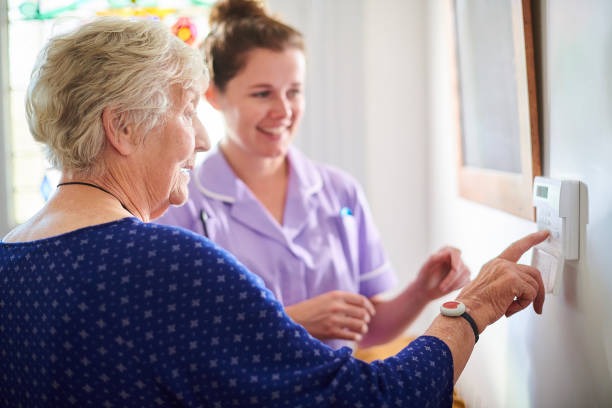
Nurse call systems serve as a vital link that connects patients with nurses promptly and efficiently. Traditionally, nurses relied on manual methods such as physical rounds or auditory signals to attend to patient needs, which could lead to delays and miscommunication. Modern nurse call systems integrate technology to automate and prioritize alerts, ensuring that nurses receive timely notifications about patient requests or emergencies. This immediate communication reduces waiting times and allows nurses to allocate their attention more effectively.
One of the key advantages of nurse call systems is their ability to categorize and prioritize calls based on urgency. For example, an emergency alert from a patient experiencing severe pain or distress is flagged as high priority, prompting an immediate nursing response. In contrast, less urgent requests, such as assistance with meal delivery, are queued accordingly. This prioritization mechanism empowers nursing staff to manage their workload systematically, preventing burnout and enhancing patient satisfaction.
Furthermore, nurse call technology often includes mobile integration, enabling nurses to receive alerts on smartphones or wearable devices. This mobility allows nurses to respond quickly even when they are away from central stations or patient rooms. Real-time updates and location tracking features further optimize staff deployment, ensuring that the nearest available nurse attends to the patient promptly. As a result, the efficiency of nursing workflows improves, and critical care delivery becomes more responsive.
Another important aspect of nurse call systems is the data analytics they provide. By tracking response times, call frequency, and other metrics, healthcare administrators can identify patterns and areas for improvement. This data-driven approach supports continuous quality improvement initiatives and helps in staffing decisions, resource allocation, and policy development. Ultimately, these insights contribute to a safer and more efficient nursing environment.
In conclusion, nurse call systems play an indispensable role in enhancing nursing efficiency by facilitating faster communication, prioritizing patient needs, enabling mobility, and providing valuable operational data. Hospitals and healthcare facilities that adopt these advanced communication tools can expect improved patient outcomes, higher nurse satisfaction, and optimized workflows. As healthcare continues to evolve, investing in nurse call technology is a strategic move towards more effective and compassionate nursing care.
About the Author